

Texting is full of short codes that people use every day. These codes save time and keep messages casual and quick to type. One letter pair that shows up a lot is JP, often at the end of a joking text. If you have seen it in a chat or comment and felt confused, you are not alone.
This guide explains what JP means across different situations you might run into. You will learn how people use it in texts, on social media, and in online communities. It also covers other meanings JP can have outside of casual chat. By the end, you will know exactly how to read it and how to reply.
Definition and Meaning of JP in Text
JP most commonly stands for “Just Playing.” It is used when someone wants to show that their last message was a joke. People add it after a comment that could sound rude or too serious.
The goal is simple. JP softens a message. It tells the reader, “Don’t take that too seriously.”
Here is a quick example:
“You really wore that to the party? JP, you looked great.”
In this case, JP removes any sting from the first sentence. It turns a tease into a light joke.
JP can also stand for other things depending on context. Some people use it as a short form of a name, like Jean-Paul or James Patrick. Others use it for “Japan” when talking about travel, products, or culture. The meaning always depends on the conversation.
JP Meaning in Text and Chat
In everyday texting, JP is almost always tied to humor. It works like similar phrases such as “jk” (just kidding) or “lol.” People type fast, and JP is a quick way to signal a joke without typing the full phrase.
You will often see JP used right after a bold or blunt statement. This helps the sender avoid sounding mean or serious. It keeps the tone light between friends.
Common chat examples include:
- “You owe me $50. JP, don’t worry about it.”
- “I’m never talking to you again. JP, love you.”
- “That outfit is a crime. JP, you look amazing.”
In group chats, JP can also defuse tension. If someone makes a comment that could start an argument, adding JP right after shows they meant no harm.
JP Slang Meaning and Common Usage
As slang, JP fits into a small family of joke-softening terms. It usually appears at the end of a sentence, though some people place it at the beginning too.
The word works best in casual settings. Friends, siblings, and close coworkers use it the most. It is rarely used in serious or formal writing because it can seem unclear or unprofessional outside of casual chat.
Typical usage patterns:
| Placement | Example |
| End of sentence | “You’re so slow at replying, JP.” |
| Start of sentence | “JP, but your cooking was rough today.” |
| Standalone reply | “JP 😂” |
JP is flexible. It fits texts, comments, captions, and even voice messages when people say the letters out loud as a joke.
Background and History of JP

Short chat abbreviations like JP grew out of early instant messaging and texting culture. Back when texting had character limits, people shortened everything they could. Phrases like “lol,” “brb,” and “jk” became normal parts of daily typing.
JP followed the same pattern. As phones and messaging apps became more common, users needed fast ways to joke around without long explanations. “Just Playing” fit naturally into that shorthand style.
Social media later pushed slang like JP even further. Comment sections, captions, and quick replies reward short, snappy language. JP became a normal part of that fast-paced online tone.
Over time, JP spread from texting into comment threads, forums, and even gaming chats, where speed and humor matter just as much as clarity.
Usage in Different Contexts
JP does not always mean the same thing. The meaning changes depending on where you see it and who is using it.
Here are the most common contexts:
- Texting between friends: Usually means “Just Playing,” used after a joke.
- Social media comments: Softens a teasing or sarcastic remark.
- Gaming chats: Can mean “Just Playing” a joke, or sometimes refer to a player’s initials.
- Business or travel talk: Can stand for “Japan,” especially when discussing products, shipping, or trips.
- Personal names: Common short form for names like Jean-Paul, John Paul, or James Patrick.
Because JP has multiple meanings, context clues matter. If the message before it sounds like a joke, JP almost always means “Just Playing.” If the topic is travel or business, it may point to Japan instead.
Professional Communication: Is JP Appropriate?
JP is casual slang, so it does not fit well in formal writing. Emails to clients, official reports, and workplace documents should avoid it completely. Readers unfamiliar with texting slang may find it confusing or unclear.
In relaxed workplace chats, such as messages between close coworkers on apps like Slack, JP can sometimes appear. Even then, it works best with people who already understand casual online language.
A safer choice for professional settings is to write out the full phrase. Saying “just joking” or “I’m kidding” keeps the tone clear and avoids any misunderstanding. This matters even more in emails, where tone can be harder to read without context.
If you are unsure whether your workplace culture accepts this kind of shorthand, it is safer to skip it in written communication with supervisors or clients.
Hidden or Alternative Meanings

While “Just Playing” is the top meaning, JP carries a few other possible meanings depending on the platform or community.
Some alternative meanings include:
- Japan: Common in travel posts, product listings, and shipping details.
- Initials: Short for a person’s first and last name.
- Jury of Peers: Occasionally used in legal or formal discussions, though rare in casual chat.
- Job Posting: Sometimes used in career or hiring group chats.
These meanings rarely overlap with texting slang, so confusion is uncommon once you notice the topic of the conversation. A quick look at the surrounding words is usually enough to figure out which meaning fits.
Usage in Online Communities and Dating Apps
On dating apps, JP is used the same way as in regular texting. It often follows a playful tease meant to build light chemistry. Since tone is hard to read through text alone, JP helps prevent messages from sounding harsh or too forward.
Example on a dating app:
“Your profile picture is kind of blurry. JP, you’re actually really cute.”
In larger online communities, such as forums or gaming groups, JP can pop up in fast-moving conversations. Since these spaces move quickly, short slang like JP helps keep replies snappy while still showing friendly intent.
Some communities also use JP as shorthand for a member’s initials, especially in spaces where usernames or real names are shared often. This is more common in gaming groups and niche interest forums than in general slang use.
Comparison With Similar Slang
JP belongs to a group of texting terms that soften jokes or lighten a message. Comparing it with similar slang helps show how it fits into everyday chat language.
| Slang | Meaning | Common Use |
| JP | Just Playing | Softens a joke or tease |
| JK | Just Kidding | Same purpose as JP, more widely known |
| LOL | Laughing Out Loud | Shows something is funny |
| LMAO | Laughing My *** Off | Stronger reaction to humor |
| J/K | Just Kidding | Older texting style, less common now |
JK and JP are almost interchangeable. The main difference is popularity. JK has been around longer and is recognized by more people, while JP is more common among younger texters and specific online groups.
10 Slang Terms Related to JP
Here are ten slang terms that pair well with or resemble JP in everyday chat:
- JK – Just Kidding
- LOL – Laughing Out Loud
- LMAO – Laughing My *** Off
- IJS – I’m Just Saying
- NGL – Not Gonna Lie
- TBH – To Be Honest
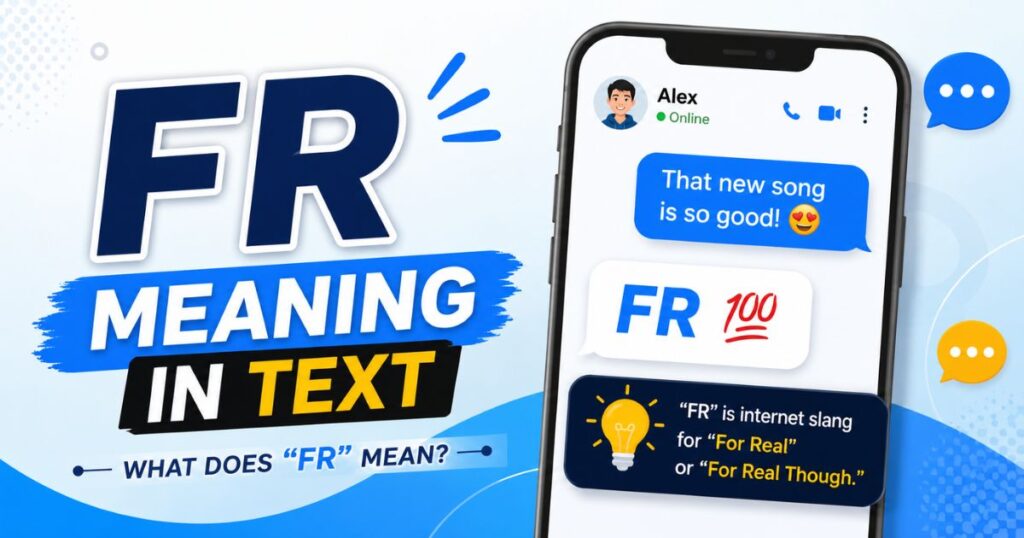
- FR – For Real
- SMH – Shaking My Head
- IYKYK – If You Know You Know
- BRB – Be Right Back
These terms often appear together in casual chats. Someone might type “JP, ngl that was funny,” combining two slang terms in one short reply.
How to Respond to JP
Replying to JP is usually simple. Since it shows the sender was joking, a light or playful reply keeps the conversation flowing.
Good ways to respond include:
- Laughing it off: “Haha, okay good, you scared me for a second.”
- Playing along: “You better be JP or we’re fighting.”
- Simple acknowledgment: “Lol okay noted.”
If the joke felt a little too harsh, it is okay to say so honestly. Something like “JP is fine, but that stung a little” keeps things real while still matching the light tone of the conversation.
Reading the full message, not just the JP part, helps you choose the right reply. Context always matters more than the abbreviation alone.
Regional and Cultural Differences
Slang trends often vary by region, age group, and platform. JP is popular in many English-speaking texting circles, but its use is not exactly the same everywhere.
In some regions, JK remains far more common, and JP is less recognized. In others, especially among younger users on social media, JP has become just as normal as JK. Certain online gaming communities may also lean more toward using initials, so JP could be read as a username instead of slang.
Cultural context matters too. In conversations involving travel, trade, or Asian pop culture fandoms, JP is often shorthand for “Japan” rather than “Just Playing.” Recognizing the topic of discussion helps avoid mixing up these meanings.
Final Thoughts
JP is a small piece of text, but it carries real meaning in everyday chat. Most often, it softens a joke and shows that a message was not meant to be taken seriously. Understanding this helps you read tone correctly and avoid unnecessary misunderstandings in texts or comments.
At the same time, JP is not limited to one meaning. Depending on the topic, it might refer to Japan, a person’s initials, or even a job posting. Paying attention to context is the easiest way to understand exactly what someone means when they use it.




One thought on “JP Meaning in Text: What It Really Means in Every Chat”