
Texting is full of short codes. People type fast, so they shorten words. One letter pair that shows up a lot is “TM.” If you have seen it in a text, a comment, or a caption, you probably paused for a second and wondered what it meant.
The truth is, TM does not have just one meaning. It changes based on where you see it and who sent it. In this guide, we will break down every common meaning of TM in simple, easy words. No confusing terms. Just clear answers.
By the end, you will know exactly how to read TM in any chat, post, or comment, and how to use it yourself the right way.
Quick Overview Table
Here is a fast summary before we go deeper into each meaning.
| Meaning of TM | Common Use | Where You See It |
| Trust Me | Casual texting | Texts, DMs, group chats |
| Text Me | Asking someone to reply | Texts, social captions |
| Trademark | Legal or brand symbol | Logos, business names |
| Tomorrow | Planning or scheduling | Texts, work chats |
| Text Message | Referring to a message type | Chats, app settings |
| Too Much | Reaction to something | Comments, memes |
Keep this table in mind. As you read on, you will see exactly how context tells you which meaning fits.
What Does TM Mean in Text?
In most everyday texting, TM usually means “Trust Me.” Someone types it to add confidence to what they just said. It is a quick way of saying, “I am serious” or “believe what I am telling you.”
Sometimes TM also stands for “Text Me.” This happens when someone wants you to message them instead of calling. For example, a friend might say, “Busy right now, TM later.” That simply means “text me later.”
There is also a chance TM means “Tomorrow” in a scheduling context. If a coworker texts “See you TM,” they most likely mean “See you tomorrow.”
The key is to look at the sentence around TM. Texting slang almost never works alone. It works with context.
TM Meaning in Chat Conversations
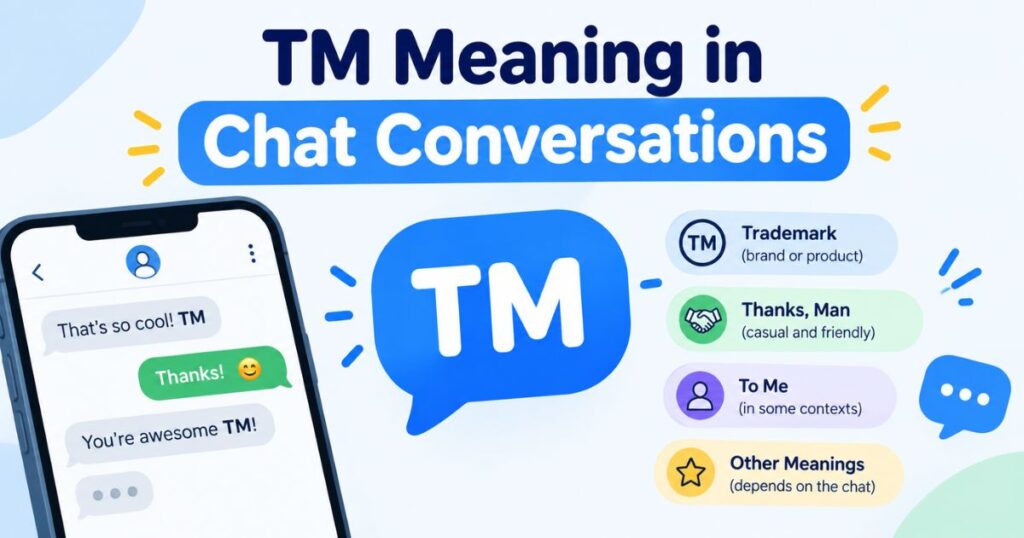
In chat apps like WhatsApp, iMessage, or Messenger, TM tends to follow casual, quick typing habits. People are chatting in real time, so they skip full words.
Here are common chat meanings of TM:
- Trust Me: Used to strengthen a statement.
- Text Me: Used when asking for a reply through text.
- Tomorrow: Used when planning something for the next day.
For example:
“TM, this movie is actually really good.” Here, TM means “Trust Me.”
“I’m driving, TM when you’re free.” Here, TM means “Text Me.”
Chat conversations move fast, so people rely on the flow of the conversation to understand short forms like TM. If you ever feel confused, it is completely fine to ask, “What does TM mean here?” Most people will not mind explaining.
TM Meaning on Social Media Platforms
Social media adds another layer to TM. On platforms like Instagram, Twitter (X), and Facebook, TM can carry slightly different meanings depending on the type of post or comment.
In comment sections, people often use TM to mean “Trust Me” when reacting to something surprising or funny. For example, someone might comment, “This actually works, TM,” under a life hack video.
On captions, TM sometimes appears as “Text Me,” especially when someone is promoting a service or asking followers to reach out directly.
There is also a professional side. Brands and businesses use TM as a symbol, short for “Trademark.” This is different from slang. It shows legal ownership of a brand name, logo, or slogan. You will often see it as a small superscript symbol next to a brand name, like Nike™.
So on social media, TM can be casual slang or a legal mark, depending entirely on the setting.
TM meaning slang snapchat
Snapchat is known for fast, informal messaging between friends. On this platform, TM almost always leans casual.
The most common meaning on Snapchat is “Trust Me.” Since Snapchat conversations are quick and disappear after viewing, users often add TM to make sure the other person takes their message seriously.
“TM meaning slang snapchat” searches usually come from people confused after seeing TM in a snap chat or caption. Here is a simple table to clear it up.
| Snapchat Message | Likely Meaning |
| “TM, I saw them there” | Trust Me |
| “TM later, in class” | Text Me later |
| “See you TM” | See you tomorrow |
Snapchat slang changes fast, but TM has stayed fairly consistent as shorthand for these three meanings. Context inside the snap or chat thread will always be your best clue.
Why People Use TM in Texting
People use TM mainly because texting rewards speed. Typing full words takes time, especially on small phone keyboards. Short forms like TM save effort while still getting the message across.
There are a few clear reasons behind this habit:
- Speed: Typing two letters is faster than typing full words.
- Habit: Once people learn a short form, they keep using it.
- Tone: Adding TM (Trust Me) can make a message feel more convincing.
- Casual style: Short forms feel more relaxed and friendly than full sentences.
Texting culture has always valued shortcuts. From “u” instead of “you” to “TM” instead of longer phrases, these small changes make digital conversations feel quicker and more natural.
Understanding TM Based on Context
Context is the single most important part of understanding TM. Without it, TM could mean five different things. With it, the meaning becomes obvious almost instantly.
Ask yourself these questions when you see TM in a message:
- Is the sentence about scheduling or plans? It likely means “Tomorrow.”
- Is the sentence trying to convince you of something? It likely means “Trust Me.”
- Is someone asking for a reply? It likely means “Text Me.”
- Is it next to a brand name or logo? It means “Trademark.”
For example, “TM, I already tried it” clearly leans toward “Trust Me,” since the sentence is backing up a claim. Meanwhile, “Call me at 9, TM” leans toward “Text Me,” since it is giving contact instructions.
Reading the full sentence, not just the short form, is the easiest way to avoid confusion.
The Evolution of TM in Digital Communication
TM has been around for a while, but its use has changed as digital communication has evolved. In the early days of texting, character limits made short forms extremely popular. People needed to fit messages into small spaces, so slang like TM became common.
As smartphones and unlimited texting became normal, character limits stopped being a real problem. Still, the habit of using short forms stuck around because it had become part of how people naturally type.
Social media then added new layers to TM. Hashtags, captions, and quick comments gave TM new casual uses beyond simple texting. At the same time, business and marketing content kept the traditional “Trademark” meaning alive and clear.
Today, TM exists in two very separate worlds. One is casual slang among friends. The other is a formal legal symbol used by companies. Both meanings continue side by side without much confusion, since the settings are usually very different.
How Context Changes the Meaning of TM
We have touched on context already, but it helps to see it laid out clearly with examples side by side.
| Sentence Example | Meaning of TM |
| “TM, I’m not lying” | Trust Me |
| “Free after 6, TM” | Text Me |
| “Let’s meet TM at noon” | Tomorrow |
| “Nike™ shoes” | Trademark |
| “That show was TM” | Too Much |
Notice how the exact same two letters shift meaning completely based on the words around them. This is very normal in texting slang. Many short forms, like “IC” (I see) or “IDK” (I don’t know), also depend on context to make full sense.
The lesson here is simple. Never assume TM means the same thing every time. Read the full message first.
TM in Modern Messaging Culture
Modern messaging culture has grown to include emojis, GIFs, voice notes, and short slang all mixed together. TM fits naturally into this mix as one small piece of a much bigger texting style.
Younger users, especially on apps like Snapchat and Instagram, tend to use TM casually and quickly. Older users or professional settings may lean more toward the “Trademark” meaning, especially in emails or business documents.
Group chats often use TM in playful ways too. Friends might tease each other with, “TM, sure you did,” as a joking way of saying, “I don’t fully believe you, but okay.”
Also Read This: JS Meaning in Text
This flexible, playful use shows how texting slang keeps evolving. Words and short forms are not fixed. They shift depending on the group, the platform, and the tone of the conversation.
Importance of Understanding TM meaning in logo
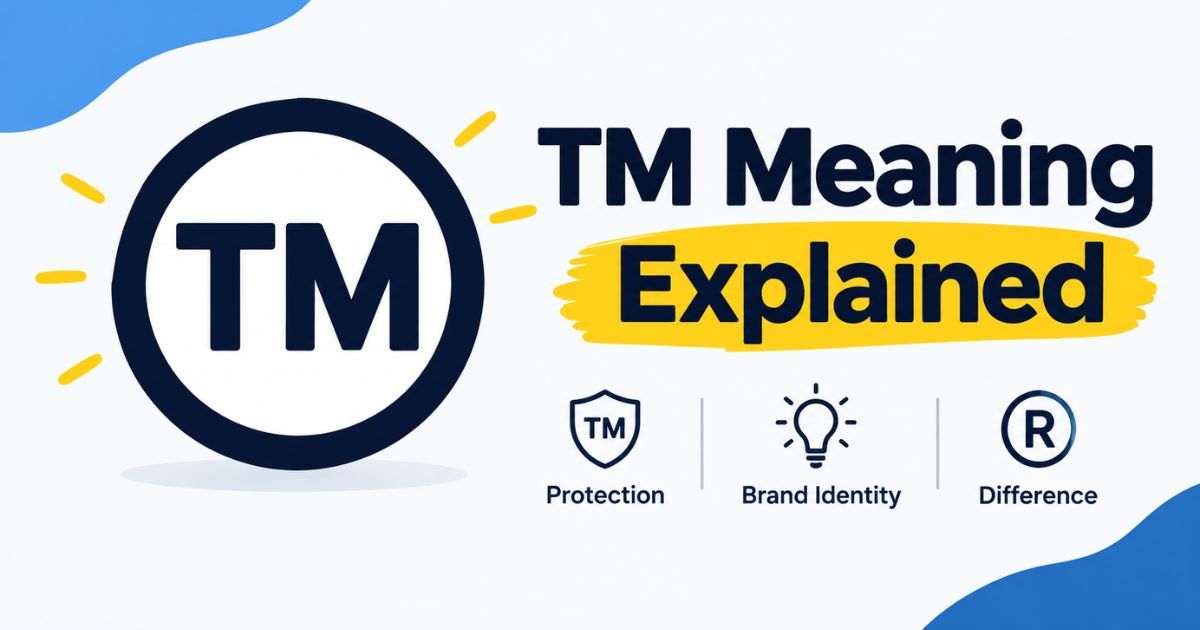
Outside of texting, TM plays a very serious role in business. When you see TM next to a logo or brand name, it stands for “Trademark.” This small symbol tells the public that the business claims ownership over that name, logo, or slogan.
Unlike the registered trademark symbol (®), which requires official government registration, the TM symbol can be used by a business even before formal registration is complete. It simply signals, “We are claiming this as ours.”
Understanding TM meaning in logo design is important for a few reasons:
- It protects brand identity from copycats.
- It shows customers the brand is serious about ownership.
- It can be used early, even during the trademark application process.
- It helps build trust and recognition over time.
So while TM in a text might just mean “Trust Me,” TM next to a logo carries real legal weight. Businesses use it to protect their name and reputation.
Role of TM in Online Conversations
Online conversations, whether in comments, forums, or DMs, rely heavily on short forms like TM to keep things quick and casual. The role TM plays here goes beyond just saving time. It also adds tone and personality to a message.
For example, ending a comment with “TM” can soften a bold claim, almost like saying, “I know this sounds surprising, but it’s true.” It builds a small bridge of trust between the writer and the reader.
In debates or discussions, TM might also be used sarcastically. Someone might write, “Sure, TM,” to imply they do not fully believe what was just said. Tone in text is tricky, so surrounding words and even punctuation matter a lot here.
Overall, TM helps online conversations feel more human. It adds emotion and reaction in just two letters, something that plain text alone often struggles to do.
When to Use TM
Using TM correctly comes down to matching the meaning with the right situation. Here are simple guidelines.
Use TM (Trust Me) when:
- You want to add confidence to a statement.
- You are reassuring a friend about something.
- You are backing up a claim casually.
Use TM (Text Me) when:
- You want someone to message you instead of calling.
- You are ending a conversation but want future contact.
Use TM (Tomorrow) when:
- You are talking about plans for the next day.
- You want to keep a scheduling message short.
Use TM (Trademark) when:
- You are labeling a business name, logo, or slogan.
- You are writing official or marketing content.
Matching the right meaning to the right moment keeps your messages clear and avoids confusing the person reading them.
When NOT to Use TM
Even though TM is common, there are times when it is better to avoid it completely.
Avoid TM in formal writing, such as emails to professors, official documents, or job applications, unless you specifically mean “Trademark.” Slang meanings can look unprofessional in serious settings.
Avoid TM when talking to someone unfamiliar with texting slang. Not everyone knows every short form, especially older relatives or new contacts. A simple misunderstanding can lead to confusion.
Avoid using TM without enough context. If your sentence could mean multiple things, it is safer to spell it out. For example, instead of just texting “TM,” you could write “Trust me, it’s true” to avoid confusion.
Being aware of your audience always makes communication smoother, whether online or offline.
Similar Slang Terms to TM
TM is not alone. Many other short forms carry similar quick, casual roles in texting and chat culture. Here are a few common ones.
| Slang Term | Meaning |
| ICYMI | In Case You Missed It |
| IKR | I Know, Right |
| NVM | Never Mind |
| BRB | Be Right Back |
| TBH | To Be Honest |
| IDK | I Don’t Know |
Like TM, all of these terms depend on context and tone to make full sense. Learning a few common ones can help you understand chats and comments much faster, without needing to ask what everything means.
Why TM Is Trending
TM keeps showing up in searches and conversations because digital slang spreads fast, especially through social media and messaging apps. As more people join platforms like Snapchat, TikTok, and Instagram, new users often come across short forms they have never seen before.
Curiosity drives a lot of searches too. Seeing “TM” in a comment or story often leads people straight to search engines to find a clear answer. This constant flow of new users and new conversations keeps interest in slang meanings alive.
Trends in language move quickly, and short forms like TM often get reused in new, creative ways by younger audiences. This keeps the term relevant, even years after it first became popular in texting.
Final Thoughts
TM is a small term with several different meanings, and the right one always depends on where and how it is used. In casual texting and chats, it usually means “Trust Me,” “Text Me,” or sometimes “Tomorrow.” On social media, it can carry the same casual tone, or shift into something more formal when tied to branding. Next to a logo or business name, TM takes on a completely different, legal meaning as “Trademark.”
Understanding these differences helps you read messages more clearly and respond the right way, whether you are chatting with friends, scrolling through comments, or working on business content. Slang like TM will likely keep evolving, but knowing how to spot its meaning through context will always be a useful skill in digital communication.
One thought on “TM Meaning Explained: Text, Chat & Social Media Guide”